Space Rocks on a Shoestring: Building a Real Meteorite Collection Without Emptying Your Wallet
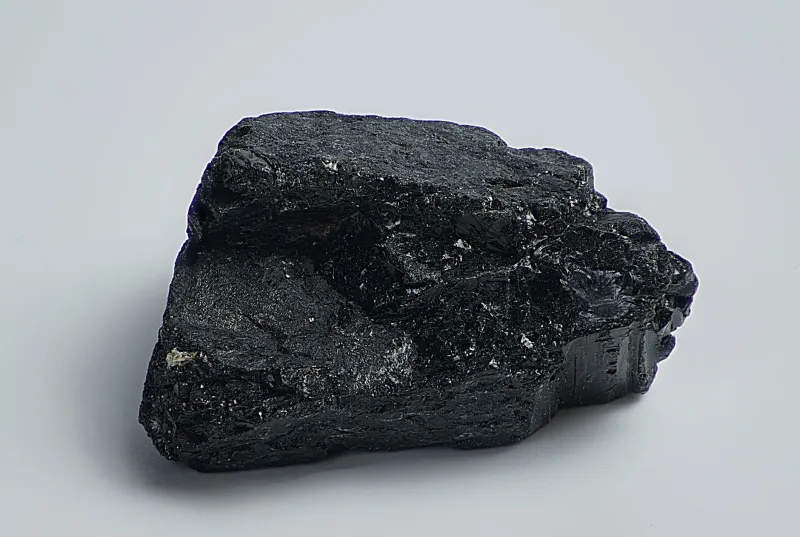
Walk into any conversation about meteorite collecting and it won't be long before someone mentions a six-figure auction result or a gram-for-gram price comparison to gold. Those numbers are real, and they apply to a very specific slice of the market. What rarely gets equal attention is the far more accessible end of the spectrum — the part where a curious first-timer can acquire a genuine piece of extraterrestrial material for less than a dinner out in most American cities.
The belief that meteorite collecting is a pursuit reserved for the affluent is, simply put, a myth. Understanding why it persists — and what the market actually looks like for budget-conscious collectors — is the first step toward building a collection that is both scientifically meaningful and financially sustainable.
Where the Big Prices Actually Come From
High meteorite prices are not arbitrary. They reflect a combination of factors that, once understood, make the more affordable end of the market much easier to navigate.
Rarity of type is the primary driver. Lunar and Martian meteorites are extraordinarily scarce — fewer than 400 individual Martian meteorites have been confirmed worldwide. When supply is that constrained and scientific interest is that intense, prices climb steeply. Pallasite meteorites, prized for their translucent olivine crystals, command premiums for similar reasons. These are the specimens that make headlines.
Provenance and documentation add another layer of cost. A meteorite with a recorded fall date, witnessed impact, and unbroken chain of custody from recovery to sale is worth considerably more than a comparable specimen of uncertain origin. Collectors and institutions pay for certainty.
Aesthetic quality matters too. A slice of the Gibeon iron meteorite that has been polished and acid-etched to reveal its Widmanstätten pattern — the crystalline structure that takes millions of years to form — is a display piece as much as a scientific specimen. Preparation and presentation carry their own price.
None of these premium factors apply to the vast majority of meteorites available on the market today.
The Affordable Tier: What's Actually Out There
For collectors working with a budget of $100 or less, the options are more plentiful than most newcomers expect.
Chondrites — the most common class of stony meteorites — represent roughly 86 percent of all meteorite falls. They are ancient, scientifically significant, and widely available at accessible price points. A small specimen of the Northwest Africa (NWA) series, recovered from the Saharan desert and classified through established meteoritical channels, can often be acquired for $20 to $60 depending on weight and condition. These are not consolation prizes. Chondrites are among the oldest solid material in the solar system, dating back approximately 4.5 billion years.
Iron meteorites in small fragment or slice form are another strong entry point. The Sikhote-Alin fall of 1947 in Russia produced thousands of individual pieces, many of which remain in circulation today at modest prices. A thumb-sized shrapnel fragment with visible regmaglypts — the thumbprint-like depressions formed during atmospheric entry — can be found for well under $100 and makes for a visually compelling addition to any collection.
Campo del Cielo irons, recovered from a strewn field in Argentina that has been documented since the sixteenth century, are similarly accessible. Their iron-nickel composition is unmistakable, their authenticity is well-established, and small specimens are routinely available at entry-level prices.
Understanding Grading and Condition
Just as with coins or stamps, meteorite condition affects price — and learning the basic grading terminology helps collectors make informed decisions.
The Meteoritical Society uses a weathering scale for finds (meteorites recovered rather than witnessed falling). A grade of W0 indicates a fresh specimen with no visible oxidation, while W5 or W6 reflects heavy weathering and mineral replacement. For scientific purposes, lower weathering grades are preferable. For display, a moderately weathered specimen may still be visually appealing at a lower cost.
Fusion crust — the glassy outer layer formed as a meteorite's surface melts during atmospheric passage — is another quality indicator. Specimens retaining significant original fusion crust are generally more desirable and better documented. Broken or cut faces that expose interior structure are valued differently, depending on what that structure reveals.
Budget collectors do not need to pursue perfect specimens. A W2-grade chondrite with partial fusion crust is still a genuine piece of the early solar system, and it tells a real scientific story.
Practical Strategies for the Budget Collector
Knowing what to buy is only part of the equation. Knowing where and how to buy matters just as much.
Buy classified specimens. A meteorite with an official classification number from the Meteoritical Bulletin — the global registry maintained by the Meteoritical Society — has been verified by credentialed researchers. This documentation protects buyers and adds long-term value to the piece.
Start with reputable dealers. Established vendors who provide classification data, weight, and provenance information are the safest starting point for new collectors. The meteorite market, like any specialty market, has its share of misidentified or misrepresented material. Working with trusted sources reduces that risk significantly.
Prioritize variety over size. A collection featuring five distinct meteorite types — a chondrite, an iron, a pallasite fragment, a carbonaceous chondrite, and a witnessed fall specimen — tells a richer scientific story than five large pieces of the same material. Diversity compounds the educational value of a collection.
Attend shows and connect with communities. The Tucson Gem and Mineral Show, held each February in Arizona, is the largest gathering of meteorite dealers in the United States and a genuine opportunity to examine specimens in person, ask questions, and find competitive prices. Regional gem shows across the country often include meteorite vendors as well. Online collector communities provide additional access to peer advice and secondary-market opportunities.
The Real Value of a Modest Collection
There is something worth stating plainly: a $40 chondrite from Northwest Africa and a $40,000 lunar meteorite share a fundamental characteristic. Both are genuine material from beyond Earth. Both formed in environments no human has ever visited. Both carry scientific information encoded in their mineralogy and chemistry.
The price difference reflects rarity, documentation, and market dynamics — not a hierarchy of wonder. A collector who understands what they hold, who can identify a chondrule under magnification or explain the difference between an L and an H chondrite, has engaged with their specimen in a way that transcends its dollar value.
Meteorite collecting at any budget is, at its core, an act of connection — to the early solar system, to the geological processes that shaped our cosmic neighborhood, and to a long tradition of human curiosity about what falls from the sky. That connection does not require a fortune. It requires knowledge, patience, and a willingness to start somewhere.
Start small. Start informed. The cosmos is more accessible than the market's most dramatic headlines suggest.